
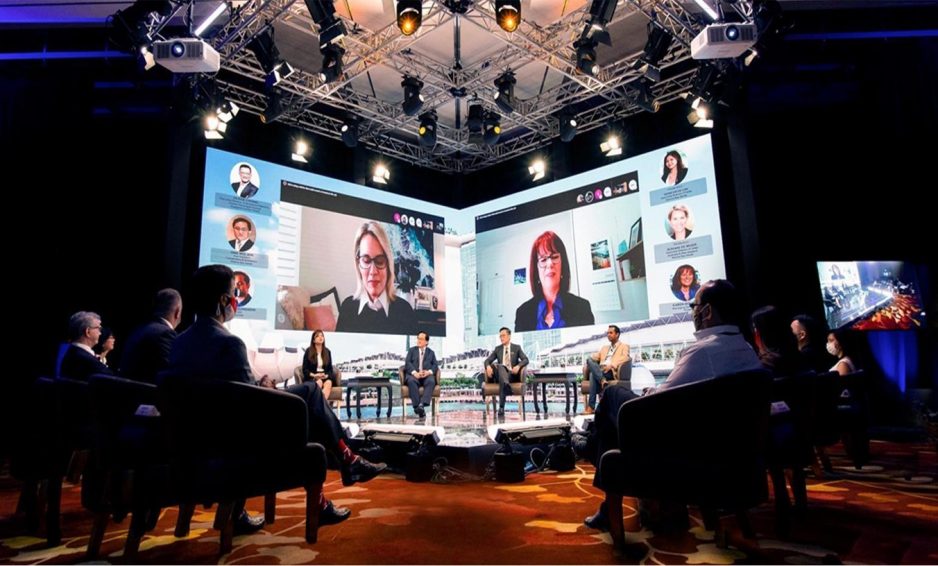

Hybrid events represent a modern evolution of traditional gatherings, combining in-person engagement with digital participation. By merging physical venues and virtual platforms, hybrid events expand reach, enhance accessibility, and create flexible experiences for diverse audiences.
What Are Hybrid Events?
A hybrid event is an event format where attendees can participate either on-site or online simultaneously. Both audiences are intentionally designed into the experience, ensuring interaction, content access, and engagement regardless of location.
Unlike fully virtual or purely physical events, hybrid events prioritize integration, not separation.
Why Hybrid Events Are Gaining Popularity
Organizations are increasingly adopting hybrid formats due to their adaptability and scalability.
Key Reasons for Growth
-
Broader audience reach across locations
-
Reduced travel and accommodation costs
-
Increased inclusivity and accessibility
-
Enhanced data collection and analytics
-
Greater flexibility for attendees
Hybrid events allow participants to choose how they engage, improving attendance and satisfaction rates.
Core Components of Successful Hybrid Events
A well-executed hybrid event relies on balanced planning between physical and digital environments.
Physical Experience
-
Venue layout optimized for broadcasting
-
High-quality audio and visual production
-
On-site engagement activities
-
Dedicated event staff and facilitators
Digital Experience
-
Live streaming and on-demand sessions
-
Interactive tools such as polls and Q&A
-
Virtual networking spaces
-
User-friendly event platforms
Both experiences should feel equally valuable, not secondary to one another.
Benefits of Hybrid Events
Hybrid events offer unique advantages over traditional formats.
-
Extended event lifespan through recorded content
-
Higher return on investment from wider participation
-
Personalized engagement using attendee data
-
Improved sustainability with reduced travel emissions
These benefits make hybrid events attractive for conferences, product launches, trade shows, and training programs.
Common Challenges in Hybrid Events
Despite their advantages, hybrid events require careful execution.
Key Challenges
-
Managing technical reliability
-
Ensuring equal engagement for virtual attendees
-
Coordinating multiple teams and platforms
-
Balancing content delivery for two audiences
Addressing these challenges requires early planning, rehearsals, and contingency strategies.
Best Practices for Hybrid Event Planning
To create impactful hybrid experiences, organizers should focus on intentional design.
Planning Tips
-
Define clear goals for both audiences
-
Invest in reliable event technology
-
Design sessions specifically for hybrid interaction
-
Train speakers to engage both on-site and virtual participants
-
Assign moderators for online audience engagement
A hybrid event should feel cohesive, not like two separate events happening at once.
Hybrid Events and Technology
Technology is the backbone of hybrid events. From live-streaming software to engagement analytics, digital tools enable seamless participation and real-time interaction. Smart use of technology also allows organizers to track behavior, measure success, and improve future events.
The Future of Hybrid Events
Hybrid events are not a temporary trend. As audiences continue to value flexibility and meaningful engagement, hybrid formats are becoming a long-term standard. Future hybrid events will focus more on immersive experiences, personalization, and advanced interactivity, further narrowing the gap between physical and digital participation.
Frequently Asked Questions (FAQ)
What types of events work best in hybrid formats?
Conferences, corporate meetings, product launches, trade shows, and educational events work particularly well.
Are hybrid events more expensive than in-person events?
While technology costs may increase, savings on travel, venue size, and scalability often balance expenses.
How do hybrid events improve accessibility?
They allow people to attend regardless of location, mobility limitations, or scheduling constraints.
Can networking be effective in hybrid events?
Yes, with structured virtual networking rooms, matchmaking tools, and moderated discussions.
What skills are essential for hybrid event organizers?
Technical knowledge, project coordination, audience engagement strategy, and problem-solving skills are critical.
How is attendee engagement measured in hybrid events?
Engagement is tracked through session attendance, interaction tools, feedback surveys, and analytics dashboards.
Will hybrid events replace in-person events entirely?
No, hybrid events complement in-person gatherings by offering flexibility, not replacing face-to-face experiences.