
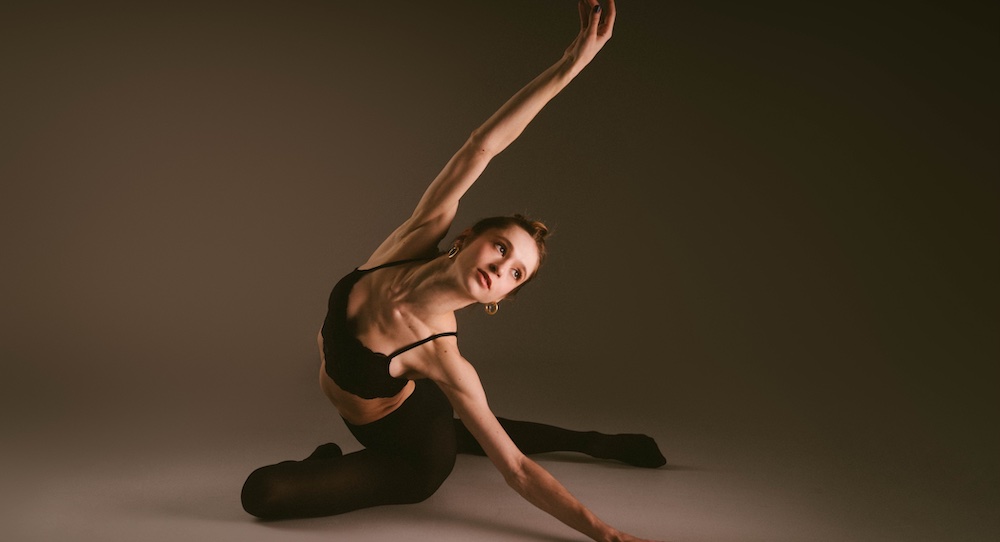

Turning a passion for dance into a sustainable profession is a dream for many artists. While the traditional route of joining a permanent ballet company or commercial dance troupe is still viable, the modern dance landscape heavily favors the independent contractor. The rise of the gig economy, digital platforms, and shifting entertainment paradigms mean that freelance dancers now have more avenues than ever to monetize their craft.
Making the leap from hobbyist to professional requires more than just raw talent. It demands business acumen, financial discipline, and a strategic approach to marketing yourself in a competitive market. Treating your dance career like a business is the single most important mindset shift you can make.
The Reality of the Freelance Dance Life
Before diving into monetization strategies, it is essential to understand what freelancing entails. Unlike a salaried position, a freelance career has no guaranteed paycheck, standard benefits, or predictable hours. Your income will fluctuate based on the seasons, your networking efforts, and the current demand for performance art.
However, this independence also offers unprecedented freedom. You choose your projects, set your rates, and dictate your creative direction. To survive and thrive, you must diversify your income streams. Relying solely on live stage performances is rarely enough; successful freelance dancers combine performance work with teaching, choreography, commercial gigs, and digital content creation.
Diversifying Your Income Streams
To build a stable financial foundation, you need to cultivate multiple sources of revenue. Here are the primary ways freelance dancers generate income.
1. Commercial and Live Performance Work
Traditional performance gigs remain a staple for many dancers. These opportunities range from music videos and film sets to corporate events, theater productions, and cruise ship contracts.
-
Audition Preparedness: Keep your headshots, dance reels, and resumes updated at all times. Treat every audition as a networking opportunity, even if you do not get the role.
-
Commercial Agencies: Signing with a reputable talent agency can open doors to high-paying commercial work that is difficult to secure independently.
-
Corporate Gigs: Industrial shows, product launches, and corporate galas often pay significantly better than underground theater projects, helping to subsidize your artistic passions.
2. Teaching and Choreography
Passing on your knowledge is often the most reliable way to pay the bills as a dancer. Studio teaching, masterclasses, and private coaching provide consistent weekly income.
-
Dance Studios: Approach local studios to teach weekly drop-in classes or assist with competitive company choreography.
-
Private Coaching: Offer one-on-one sessions for skaters, gymnasts, or beginner dancers looking to improve their posture, flexibility, or specific technique.
-
Choreographing for Competitions: High schools, university dance teams, and competitive studios frequently hire freelance choreographers to create routines for competition season.
3. Fitness and Wellness Integration
Many dancers leverage their deep anatomical and movement knowledge to transition into adjacent fitness sectors.
-
Group Fitness: Certifications in Pilates, yoga, barre, or Zumba allow you to teach in commercial gyms and specialized boutique fitness studios.
-
Personal Training: Private fitness coaching pays well and offers flexible hours that can easily accommodate rehearsal schedules.
-
Injury Prevention Workshops: Use your background in dance conditioning to teach workshops focused on core stability and injury prevention for younger athletes.
4. Digital Content and Online Platforms
The internet has leveled the playing field for independent artists, allowing you to monetize your audience directly without relying on middlemen.
-
Instructional Content: Sell pre-recorded choreography tutorials, flexibility guides, or conditioning programs via your website or platforms like Patreon.
-
Social Media Monetization: Build a following on platforms like TikTok and Instagram by sharing behind-the-scenes content, technique tips, and viral dance trends. Brand partnerships can become a lucrative side revenue stream.
-
Virtual Classes: Host live-streamed masterclasses for international students who cannot access your local in-person sessions.
Building Your Personal Brand
As a freelancer, you are your own product. Clients do not just hire a dancer for their technical execution; they hire them for their reliability, professionalism, and unique artistic voice.
Crafting a Professional Portfolio
Your digital footprint is often the first impression a potential client or director will have of you.
-
The Dance Reel: Invest in a clean, high-definition showreel that highlights your versatility, rhythm, and stage presence within the first thirty seconds.
-
Professional Website: Create a centralized hub that features your bio, contact information, performance history, media gallery, and a link to your current reel.
-
Social Media Hygiene: Ensure your public profiles reflect a professional image. While personality matters, maintaining a balance between casual content and artistic showcase is vital.
Networking and Relationships
The entertainment industry thrives on word-of-mouth recommendations. A talented dancer with a difficult attitude will rarely get rehired, while a reliable, pleasant performer will always find work.
-
Follow Up: Send a polite thank-you email or message to directors and choreographers after an intensive or a gig.
-
Collaborate: Work with local photographers, videographers, and musicians on cross-promotional creative projects to expand your collective reach.
-
Maintain Integrity: Show up on time, know your choreography before stepping into the studio, and respect the creative team. Reputation is everything in a tight-knit community.
Managing the Business Side
Transitioning from hobby to career means mastering the administrative tasks that keep your business afloat. Neglecting this side of your career can lead to tax penalties, financial stress, and burnout.
Legal and Financial Essentials
-
Separate Finances: Open a dedicated business bank account. Do not mix your personal grocery money with your performance fees and teaching income.
-
Track Expenses: Keep receipts for everything related to your career, including dance shoes, studio rentals, headshots, travel expenses, and costume pieces. These can often be written off as business expenses.
-
Understand Contracts: Never perform or teach without a signed agreement outlining your payment terms, schedule, usage rights for footage, and cancellation policies. When in doubt, consult a legal professional familiar with the entertainment industry.
Setting Your Rates
Underpricing your services hurts not only you but the entire freelance dance community. When calculating your freelance rates, factor in the unpaid hours spent traveling, warming up, choreographing, and managing administrative emails. Do not charge just for the time spent on stage; charge for the years of training required to execute the movement safely and effectively.
Frequently Asked Questions
How much money can a freelance dancer realistically make?
Income varies wildly based on location, hustle, and the diversity of your revenue streams. Some part-time freelancers make a modest supplemental income of a few hundred dollars a week, while full-time commercial dancers and established choreographers can make a comfortable middle-class living or more. Diversifying into teaching and digital products helps smooth out seasonal income dips.
Do I need a college degree in dance to succeed as a freelancer?
No. Unlike traditional academic or corporate career paths, the dance industry values your current skill set, performance quality, adaptability, and professional reputation far more than a piece of paper. While university programs offer great networking opportunities, many successful freelancers are self-taught or trained through private studios and dance intensives.
How do I handle health insurance and medical care as an independent artist?
Health insurance is one of the biggest challenges for freelance artists. Many dancers work part-time day jobs—such as administrative work, fitness instructing, or retail—specifically to secure employer-sponsored health benefits. Alternatively, freelancers can explore state healthcare marketplaces, industry-specific unions, or private health insurance brokerages tailored to self-employed individuals.
How can I protect myself from dance injuries that disrupt my income?
Prevention is your best defense. Incorporate cross-training, proper warm-ups, adequate rest, and proper nutrition into your daily routine. Because an injury directly halts your ability to earn, building an emergency savings fund that covers at least three to six months of living expenses is an absolute necessity for freelance dancers.
Is it necessary to live in a major city like New York or Los Angeles?
Living in a major entertainment hub certainly provides easier access to high-end commercial auditions, television sets, and top-tier choreographers. However, the rise of remote coaching, regional theater growth, and digital content creation means you can build a viable dance career in mid-sized cities or even suburban areas if you leverage the internet effectively.
How do I transition away from heavy physical performance as I age?
Most dancers plan their career trajectory with longevity in mind. As the physical demands of high-impact performance become less sustainable, many transition smoothly into full-time choreography, artistic direction, studio ownership, or dance education at the university level. Your accumulated industry experience becomes even more valuable as you transition into leadership and creative roles.