
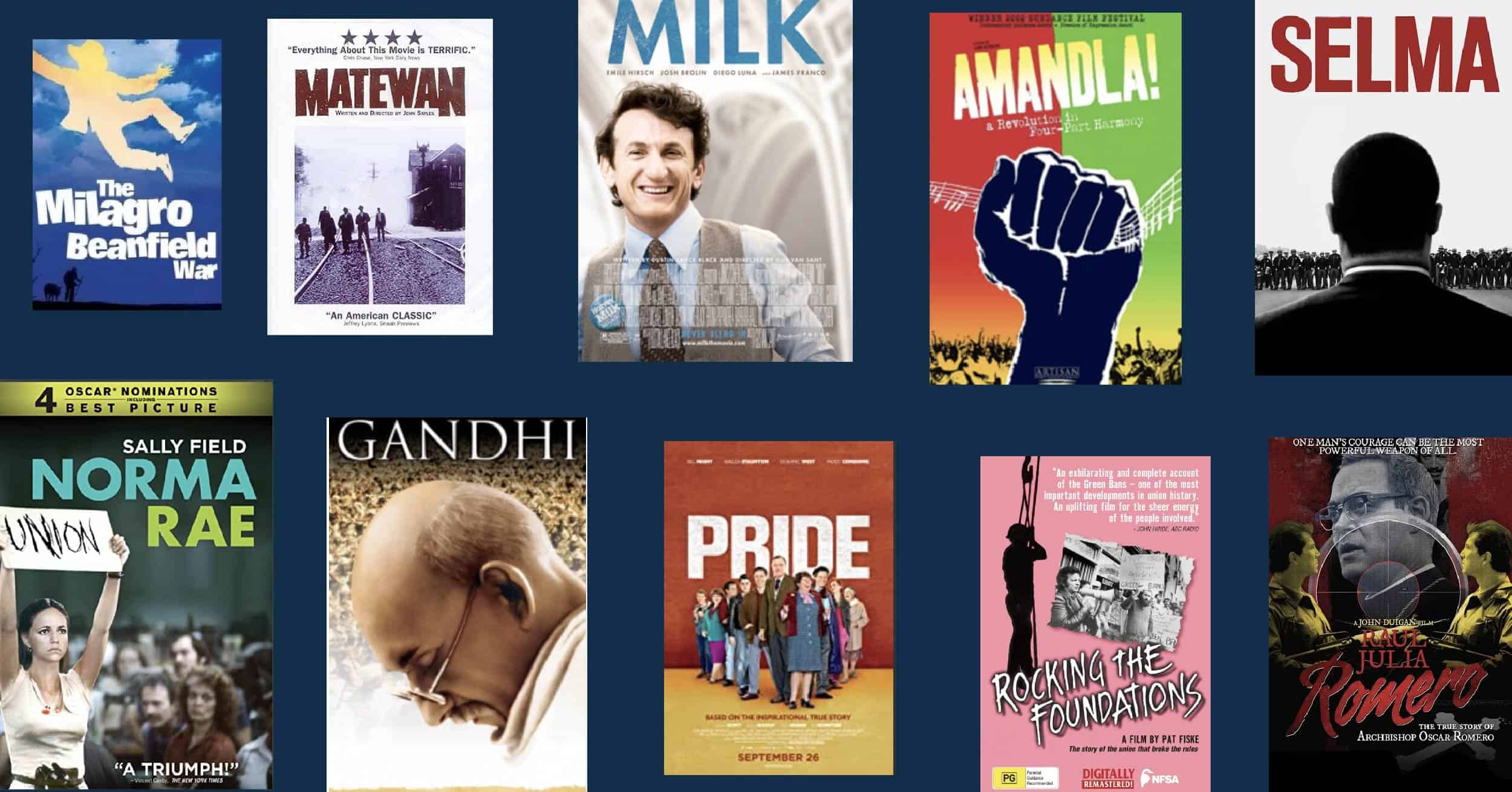

Films are more than a source of entertainment. They function as cultural mirrors and social influencers, reflecting societal values while simultaneously shaping beliefs, attitudes, and global understanding. Across decades, cinema has played a powerful role in connecting people, challenging norms, and influencing how societies see themselves and others.
Films as a Reflection of Cultural Identity
Every culture tells stories rooted in its history, traditions, and shared experiences. Films capture these elements through language, settings, customs, and character behavior.
Key ways films reflect culture include:
-
Showcasing traditions, festivals, and social rituals
-
Preserving local languages and dialects
-
Highlighting generational values and family structures
-
Representing national history and collective memory
Through cinema, cultural identity becomes visible not only to insiders but also to global audiences.
The Social Influence of Films on Audiences
Films have the ability to influence social behavior by normalizing ideas and encouraging empathy. Viewers often emotionally connect with characters, which can subtly shape opinions and moral perspectives.
Social influence occurs through:
-
Representation of marginalized communities
-
Portrayal of ethical dilemmas and moral choices
-
Shaping perceptions of gender roles and relationships
-
Influencing fashion, language, and lifestyle trends
When audiences repeatedly see certain narratives, those ideas gradually become part of social consciousness.
Films and the Power of Storytelling Across Borders
Cinema transcends geographical boundaries. Subtitles and dubbing allow stories to travel globally, exposing audiences to unfamiliar cultures and worldviews.
Global storytelling through films helps:
-
Reduce cultural stereotypes
-
Encourage cross-cultural empathy
-
Introduce diverse philosophies and social systems
-
Foster international dialogue and understanding
This shared cinematic language makes films a key driver of globalization and cultural exchange.
Challenging Norms and Driving Social Change
Many films intentionally challenge established norms by addressing sensitive or controversial topics. By doing so, they create space for discussion and awareness.
Films often address:
-
Social inequality and discrimination
-
Mental health awareness
-
Political corruption and injustice
-
Environmental responsibility
Such narratives can inspire conversations, influence public opinion, and even contribute to policy and social reform.
The Role of Films in Shaping Global Perspectives
Films influence how nations and cultures are perceived worldwide. A single powerful film can redefine global understanding of a country or community.
This impact includes:
-
Shaping international perceptions of cultures
-
Influencing tourism and global curiosity
-
Creating shared global icons and narratives
-
Establishing universal themes that resonate across societies
As a result, cinema plays a critical role in building a more interconnected global society.
Films in the Digital and Streaming Era
The rise of digital platforms has amplified the cultural reach of films. Stories from smaller regions now reach global audiences without traditional distribution barriers.
Modern cinema trends include:
-
Greater diversity in storytelling
-
Increased access to international films
-
Audience-driven content discovery
-
Blending of cultural influences
This accessibility strengthens cinema’s role as a global cultural force.
Frequently Asked Questions (FAQs)
1. How do films influence cultural values?
Films reflect traditions and social norms, reinforcing or challenging cultural values through storytelling and representation.
2. Can films really change societal behavior?
Yes, repeated exposure to certain themes can influence attitudes, encourage empathy, and inspire social change.
3. Why are films important for global understanding?
Films allow audiences to experience different cultures, reducing stereotypes and fostering cross-cultural awareness.
4. How do films impact younger generations?
Films shape beliefs, aspirations, and identity by presenting role models and social narratives.
5. Do films influence political or social movements?
Many films raise awareness about injustice, inspiring public discussion and sometimes contributing to real-world change.
6. How has streaming affected the cultural impact of films?
Streaming has expanded global access, allowing diverse stories to reach international audiences instantly.
7. Are films a reliable reflection of real societies?
While films may dramatize reality, they often highlight genuine social issues and cultural dynamics.