

Introduction
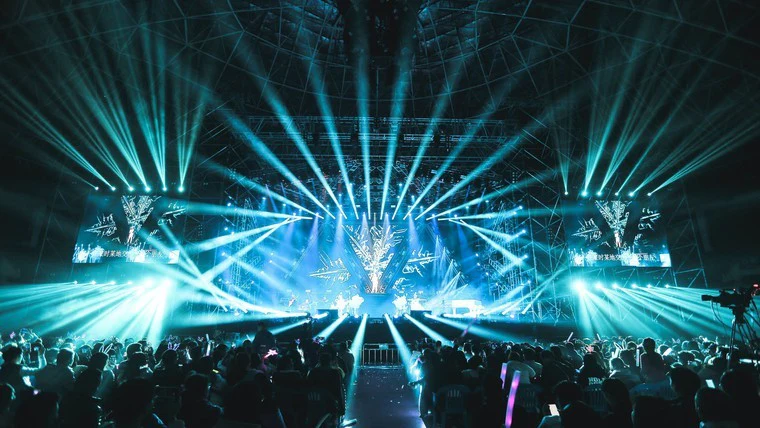
Music is more than organized sound. It is expression, memory, and identity woven together through rhythm and melody. Across civilizations, music has played a central role in rituals, storytelling, celebration, and healing. Whether experienced through headphones or shared in a crowded venue, music connects people in ways few other art forms can.
The Emotional Language of Music
Music communicates feelings that words often cannot. A simple melody can trigger nostalgia, motivation, or calm within seconds.
Key emotional effects of music include:
-
Enhancing mood and reducing stress
-
Stimulating motivation and focus
-
Providing comfort during difficult times
-
Reinforcing emotional memories
Scientific studies show that music activates multiple areas of the brain simultaneously, making it one of the most powerful emotional tools humans possess.
Music as a Cultural Mirror
Every culture uses music to preserve history and values. Folk songs, anthems, and traditional instruments reflect a society’s beliefs and experiences.
How music shapes culture
-
Preserves language and heritage
-
Marks important life events
-
Unites communities through shared identity
-
Evolves alongside social change
From ancient chants to modern digital beats, music adapts while maintaining its cultural core.
The Evolution of Music Through Time
Music has transformed dramatically as technology and society evolved.
Major milestones in musical evolution
-
Oral traditions passed through generations
-
Written notation enabling complex compositions
-
Recorded sound allowing music to reach mass audiences
-
Digital platforms democratizing music creation and distribution
Today, anyone with basic tools can create and share music globally, reshaping the industry and listener habits.
Music and Mental Well-Being
Music therapy is widely used to support emotional and psychological health. Carefully selected sounds can help regulate emotions and improve cognitive performance.
Benefits of music for mental health:
-
Reduces anxiety and depression symptoms
-
Improves concentration and memory
-
Supports emotional expression
-
Encourages relaxation and sleep quality
Because of its non-verbal nature, music often reaches individuals when traditional communication falls short.
The Social Power of Music
Music brings people together. Concerts, festivals, and shared playlists create a sense of belonging.
Music in social settings
-
Strengthens relationships through shared experiences
-
Encourages collaboration and creativity
-
Bridges generational and cultural gaps
Even in solitude, music reminds listeners that they are part of something larger.
The Future of Music
As technology continues to evolve, music will become more personalized and immersive. Artificial intelligence, virtual performances, and interactive soundscapes are shaping new listening experiences.
Yet despite innovation, the heart of music remains unchanged: human emotion translated into sound.
Frequently Asked Questions (FAQ)
1. Why does music affect emotions so strongly?
Music stimulates emotional centers in the brain, linking sound patterns to memory and feeling.
2. Can music improve productivity?
Yes, certain types of music can enhance focus and reduce mental fatigue when matched to the task.
3. Is musical taste influenced by culture?
Cultural background plays a major role, but personal experiences also shape individual preferences.
4. How does music therapy work?
Music therapy uses structured listening and creation techniques to support emotional and cognitive health.
5. Does learning music benefit the brain?
Learning music improves memory, coordination, and problem-solving skills.
6. Why do people connect over music?
Shared musical experiences create emotional bonds and a sense of identity.
7. Will technology change how we experience music?
Technology will expand access and creativity, but emotional connection will remain central to music’s value.