
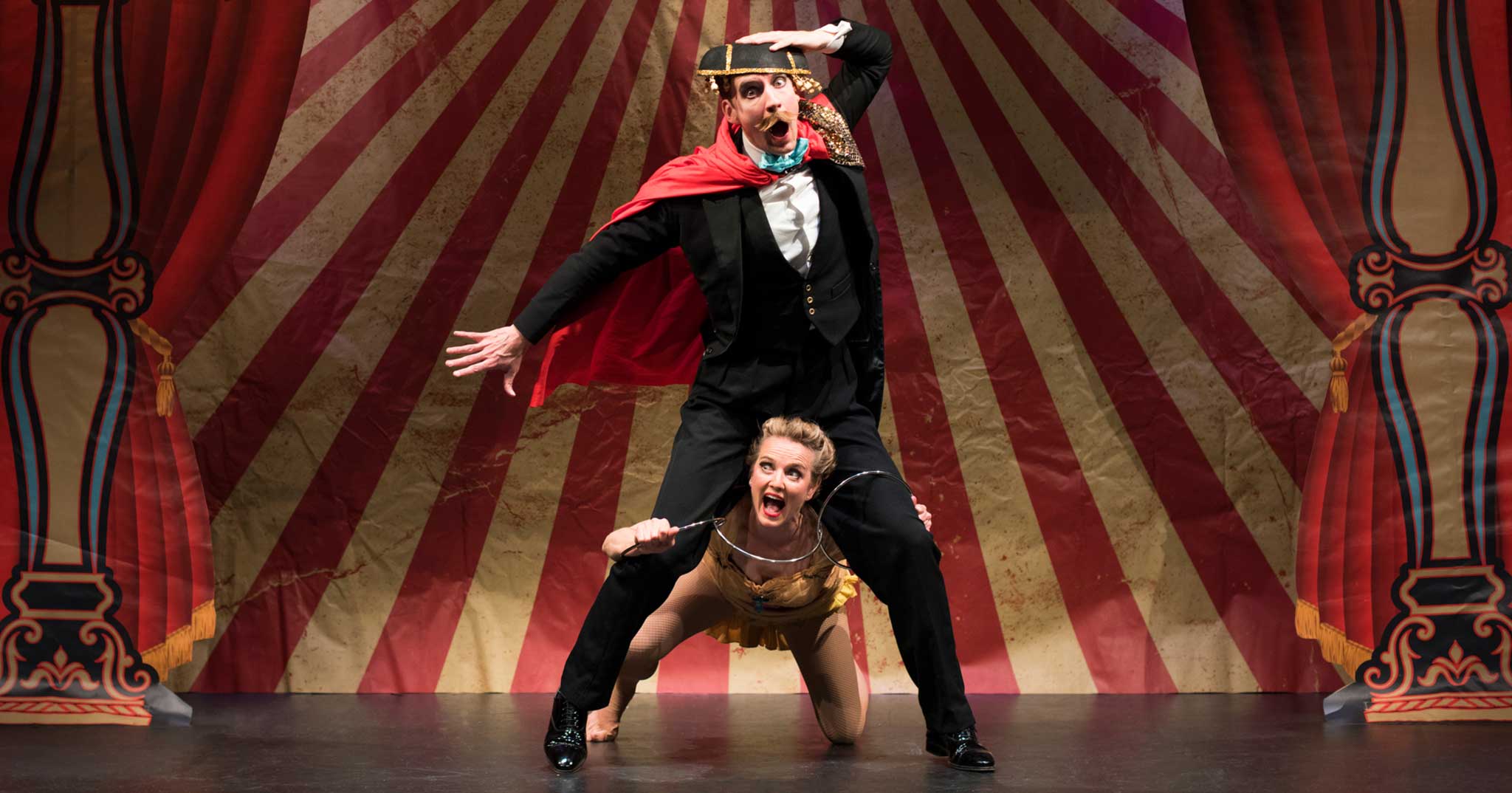

A magic show is more than entertainment—it is an immersive experience that blends mystery, skill, psychology, and storytelling. From grand stage illusions to intimate close-up tricks, magic shows have fascinated audiences across cultures and generations. Their enduring appeal lies in the ability to make the impossible feel real, even if only for a moment.
What Is a Magic Show?
A magic show is a live performance where a magician presents illusions, sleight-of-hand, mentalism, or visual effects designed to astonish and engage an audience. Unlike movies or digital effects, magic shows rely on live execution, timing, and audience interaction, making each performance unique.
Core Elements of a Magic Show
-
Illusion & Misdirection – Guiding attention away from the method
-
Presentation & Storytelling – Turning tricks into memorable moments
-
Audience Participation – Creating personal, interactive experiences
-
Skill & Practice – Years of refinement behind seemingly effortless acts
Types of Magic Shows
Magic shows come in many styles, each suited to different audiences and venues.
Stage Magic
Large-scale performances featuring dramatic illusions, assistants, lighting, and music. Common in theaters and large events.
Close-Up Magic
Performed at close range using cards, coins, or small objects. Often seen at private parties or corporate events.
Mentalism Shows
Focus on mind-reading, predictions, and psychological illusions that challenge perception and logic.
Children’s Magic Shows
Designed with humor, bright visuals, and simple effects to keep young audiences engaged and entertained.
Street Magic
Performed in public spaces, relying on spontaneity and direct audience interaction.
Why Magic Shows Are Still Popular
Despite advances in technology, live magic continues to thrive.
-
Authenticity – No screens or editing, just live performance
-
Emotional Connection – Shared amazement creates lasting memories
-
Universal Appeal – Enjoyed by all ages and cultures
-
Unpredictability – Every show unfolds differently
Magic Shows for Events and Celebrations
Magic shows are a popular choice for various occasions due to their flexibility and broad appeal.
Common Events Featuring Magic Shows
-
Birthday parties
-
Corporate events and product launches
-
Weddings and receptions
-
School functions
-
Festivals and community gatherings
A skilled magician can adapt their performance to suit the tone, age group, and size of the audience.
The Skill Behind the Illusion
Behind every successful magic show is discipline, rehearsal, and psychological insight. Magicians study human attention, body language, and timing to create seamless illusions. What appears spontaneous is often the result of meticulous planning and years of practice.
The Future of Magic Shows
Modern magic shows continue to evolve by incorporating:
-
Subtle technology enhancements
-
Multimedia storytelling
-
Social media-inspired formats
-
Hybrid virtual and live performances
Yet, the essence remains unchanged: creating wonder through human ingenuity.
Frequently Asked Questions (FAQ)
1. How long does a typical magic show last?
Most magic shows range from 30 minutes to 90 minutes, depending on the event and audience.
2. Are magic shows suitable for all age groups?
Yes, many magicians tailor their performances specifically for children, adults, or mixed audiences.
3. Do magicians ever reveal their secrets?
Professional magicians rarely reveal methods, as secrecy is central to preserving the art of magic.
4. Can magic shows be customized for private events?
Absolutely. Many performers personalize tricks, themes, and scripts to match the event or brand.
5. Is audience participation mandatory?
Participation is usually optional, though encouraged to enhance engagement and fun.
6. What skills does a magician need to perform a magic show?
Key skills include sleight-of-hand, communication, confidence, timing, and improvisation.
7. How far in advance should a magic show be booked?
For popular performers, booking weeks or months in advance is recommended, especially during peak seasons.