

Films are one of the most influential storytelling mediums ever created. They combine visual art, sound, performance, and narrative into a single experience capable of entertaining, educating, and emotionally moving audiences across cultures and generations. From silent cinema to digital streaming, films continue to evolve while shaping how stories are told worldwide.
The Evolution of Films Over Time
Cinema has undergone remarkable transformation since its inception in the late 19th century. Early films were short, silent, and experimental, relying heavily on physical expression and visual framing.
With technological advancement, films progressed through several defining eras:
-
Silent Era – Storytelling through visuals, title cards, and expressive acting
-
Golden Age of Cinema – Introduction of synchronized sound and color
-
New Wave Movements – Artistic experimentation and personal storytelling
-
Digital Age – Computer-generated imagery, virtual production, and streaming platforms
Each phase expanded the creative possibilities of filmmaking while redefining audience expectations.
Films as a Powerful Storytelling Medium
At their core, films are structured narratives. They rely on screenplays, character arcs, and visual language to communicate ideas that resonate deeply with viewers.
Key storytelling elements in films include:
-
Characters that audiences empathize with or learn from
-
Conflict that drives the narrative forward
-
Themes such as love, identity, justice, or survival
-
Visual symbolism that adds meaning beyond dialogue
Unlike written stories, films use sound design, cinematography, and editing to create emotional impact instantly.
Major Film Genres and Their Appeal
Genres help audiences identify the tone and content of a film before watching. While many modern films blend genres, core categories remain popular.
Common Film Genres
-
Drama – Emotion-driven stories reflecting real-life struggles
-
Action – High-energy sequences, stunts, and physical conflict
-
Comedy – Humor-based narratives designed to entertain
-
Horror – Fear-inducing stories using suspense and atmosphere
-
Science Fiction – Speculative futures, technology, and alternate realities
-
Romance – Relationship-focused storytelling
Genres allow filmmakers to meet audience expectations while still innovating within familiar frameworks.
The Filmmaking Process Explained
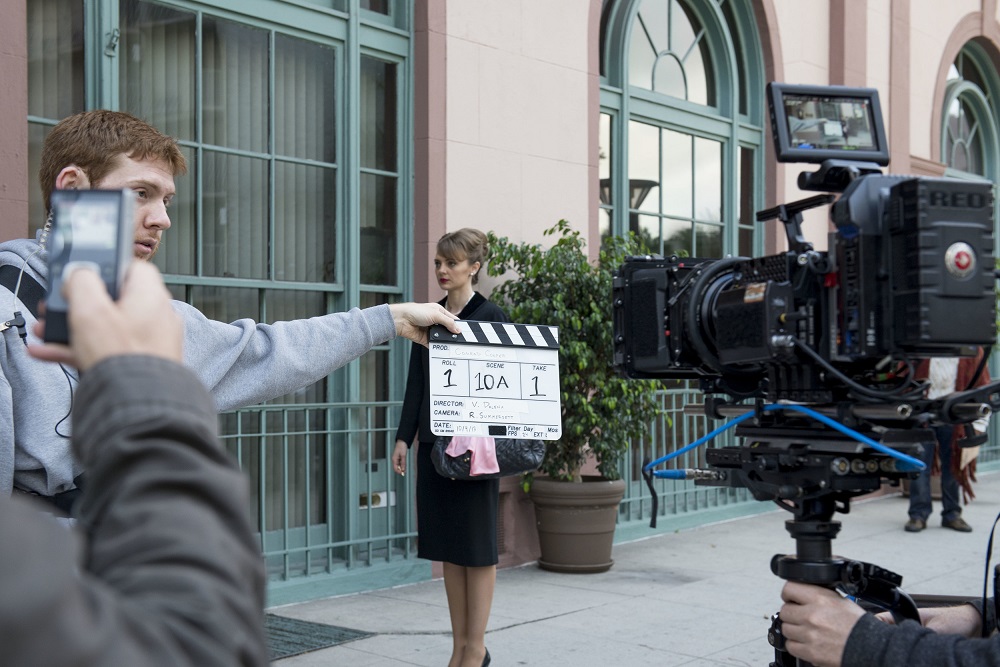
Creating a film is a complex, collaborative process involving hundreds of professionals. It typically unfolds in three major stages.
Pre-Production
-
Scriptwriting and revisions
-
Casting actors
-
Budget planning and scheduling
-
Location scouting
Production
-
Principal photography
-
Directing performances
-
Cinematography and lighting
-
Sound recording
Post-Production
-
Editing footage
-
Visual effects integration
-
Sound design and music scoring
-
Color grading
Each phase is essential to transforming an idea into a finished cinematic product.
Cultural and Social Impact of Films
Films influence society by reflecting and shaping cultural values. They can spark conversations, challenge norms, and bring attention to social issues.
Notable impacts include:
-
Cultural representation and diversity awareness
-
Historical preservation through dramatized events
-
Social change by highlighting injustice or inequality
-
Global connection by sharing stories across borders
Because of their wide reach, films often leave lasting impressions beyond entertainment.
Films in the Modern Digital Era
The rise of digital platforms has redefined how audiences consume films. Traditional theaters now coexist with on-demand streaming, giving viewers unprecedented access.
Modern trends include:
-
Shorter theatrical windows
-
Independent films reaching global audiences
-
Data-driven content creation
-
Increased focus on high-quality visuals and sound
Despite these changes, the emotional power of films remains unchanged.
Frequently Asked Questions (FAQs)
1. What makes films different from other storytelling mediums?
Films combine visuals, sound, performance, and editing to create an immersive experience that engages multiple senses simultaneously.
2. How long does it typically take to make a film?
Production timelines vary, but most films take several months to years, depending on budget, complexity, and scale.
3. Why are film genres important?
Genres help audiences understand what type of experience to expect and allow filmmakers to structure stories effectively.
4. Can films influence real-world opinions and behavior?
Yes, films often shape cultural attitudes, raise awareness of social issues, and influence public perception.
5. What role does technology play in modern films?
Technology enhances visual effects, sound quality, editing efficiency, and distribution methods.
6. Are films still relevant in the age of short-form content?
Absolutely. While viewing habits have diversified, films remain a powerful form of long-form storytelling.
7. How do films preserve cultural identity?
Films capture language, traditions, values, and historical moments, making them valuable cultural records for future generations.